Exploring Single, Multiple, and Full Arch Dental Implants in Bakersfield CA
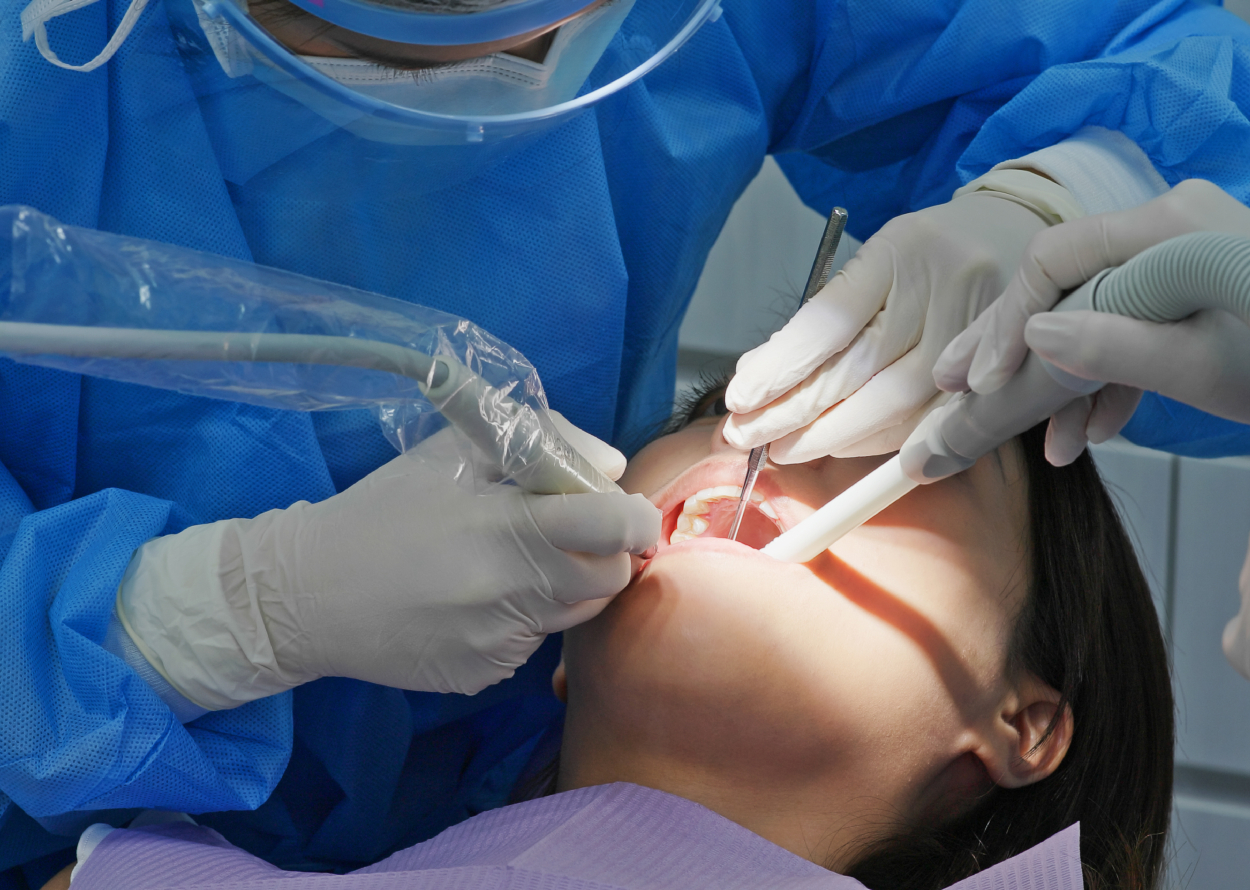
Tooth loss rarely arrives as a neat, isolated event. For some people, it starts with one cracked molar that cannot be saved. For others, years of gum disease, old bridgework, or repeated extractions gradually change the entire bite. By the time a patient starts looking seriously at implants, the real question is not simply, “Can I replace this tooth?” It is, “What kind of restoration makes sense for how I eat, speak, smile, and live?”
That is where the difference between single, multiple, and full arch dental implants matters. Each option solves a different problem. Each comes with its own planning process, cost range, healing timeline, and maintenance demands. In a place like Bakersfield, where people often balance busy work schedules, family commitments, and long overdue dental needs, the best treatment plan is usually the one that fits both the mouth and the person behind it.
When people search for Dental Implants Bakersfield CA, they are often comparing more than one treatment path. They may have already heard terms like implant crown, implant bridge, All-on-4, fixed arch, bone graft, or same-day teeth. Those terms are useful, but they can blur together fast. It helps to step back and understand what each implant category is designed to do.
The basic idea behind dental implants
A dental implant is a small post, usually made from titanium or another biocompatible material, placed into the jawbone to act as an artificial tooth root. After healing, that implant supports a restoration such as a crown, bridge, or full arch prosthesis. The key advantage is stability. Unlike a removable denture, an implant-based tooth replacement anchors to bone.
That sounds https://devinzxyi919.raidersfanteamshop.com/dental-implants-bakersfield-ca-understanding-the-consultation-process simple on paper, but real-world implant treatment depends on several variables: bone volume, gum health, bite force, the location of missing teeth, existing medical conditions, and the patient’s goals. A healthy 35-year-old who lost one front tooth in a sports injury needs something very different from a 72-year-old who has worn loose dentures for fifteen years.
Implants also do more than fill a gap. They help preserve chewing function and, in many cases, slow the bone loss that follows tooth extraction. Bone naturally resorbs after a tooth is removed because the jaw is no longer stimulated in the same way. That process is not always dramatic at first, but over time it can affect facial support, denture fit, and the options available for future treatment.
When a single dental implant is the right move
A single dental implant is usually the most conservative fixed option when only one tooth is missing and the neighboring teeth are healthy. Instead of trimming down two adjacent teeth for a traditional bridge, the dentist can replace just the missing tooth with one implant and one crown.
This approach is especially valuable when the missing tooth sits between otherwise sound teeth. I have seen many cases where a patient assumed a bridge was the standard answer, only to realize that the teeth on either side had no fillings, no cracks, and no reason to be altered. In that situation, an implant often preserves more natural tooth structure over the long term.
Single implants work well in both front and back areas of the mouth, though the planning differs. In the front, esthetics become critical. The angle of the implant, the shape of the gum tissue, and the thickness of the bone all influence whether the final crown blends naturally with the smile. A front tooth implant can look excellent, but it demands careful placement and realistic expectations, especially if the tooth has been missing for a while.
In the back of the mouth, function usually takes center stage. Molars absorb heavy chewing forces. That means the implant diameter, crown design, and bite relationship need to be planned precisely. A crown that is too narrow, too wide, or poorly loaded can create problems later.
Healing times vary. Some single implants can be placed right after extraction if infection is controlled and bone quality is favorable. Others require a healing period first. Then comes osseointegration, the process in which the implant bonds with bone. That often takes a few months, though timing depends on the case.
What patients often overlook with a single implant
The missing tooth may be the most obvious issue, but the surrounding environment matters just as much. If a patient grinds heavily at night, the implant crown may need bite protection. If gum recession is already present, esthetic outcomes can become more complex. If the space has been empty for years, neighboring teeth may drift, reducing room for the implant crown.
That is why a straightforward-looking case sometimes needs additional steps. Minor grafting, contouring of soft tissue, or orthodontic movement may be recommended to create a better result. Those additions can feel frustrating if someone expected a quick replacement, but they often prevent bigger disappointments later.
Replacing several missing teeth without rebuilding the whole mouth
When more than one tooth is missing, treatment opens up in different directions. Some patients need two or three separate implants, each topped with its own crown. Others do better with implants that support a bridge. The choice depends on spacing, bite forces, bone availability, and budget.
A common example is the loss of three teeth in a row. It is not always necessary, or even ideal, to place three implants. In many cases, two well-positioned implants can support a three-unit implant bridge. That may reduce cost and simplify the surgery while still giving strong function. On the other hand, if the teeth are not adjacent, separate implants may make more sense.
This is one of those areas where cookie-cutter recommendations fall apart. The right answer is shaped by anatomy and mechanics. The lower jaw often has denser bone than the upper jaw. The back upper jaw can be more challenging because of the sinus and softer bone. Existing restorations on neighboring teeth also influence decisions. If a patient already has a failing bridge, the replacement plan may combine extractions, grafting, and implant support in a staged sequence.
Multiple implants versus implant bridges
Patients usually assume more implants automatically mean a better outcome. That is not always true. Sometimes more fixtures add complexity without adding meaningful benefit. Sometimes too few implants overload the restoration.
Here is a practical comparison that often helps clarify the trade-offs:
- A separate implant for each missing tooth can offer excellent hygiene access and independence, but it usually costs more.
- An implant-supported bridge may lower the number of implants needed, which can reduce surgical work, though cleaning under the bridge requires more effort.
- In areas with limited bone, a bridge can sometimes avoid grafting if implants are placed where bone is strongest.
- If one implant ever develops a problem, separate units may be easier to isolate than a connected restoration.
- Bite forces, especially in patients who clench or grind, can change the recommendation significantly.
The patient’s habits matter more than many people realize. Someone who eats carefully and keeps up with maintenance may do well with several implant-supported units for decades. Someone with poor home care, untreated periodontal disease, or heavy smoking may face a higher risk of complications no matter how advanced the treatment appears.
Full arch dental implants, the biggest shift for patients with major tooth loss
Full arch implants are designed for people missing all teeth in the upper or lower jaw, or for those whose remaining teeth are failing and no longer worth preserving. This category is often life-changing because it goes beyond replacing teeth. It can restore confidence, chewing efficiency, speech clarity, and daily comfort for people who have struggled with removable dentures or widespread dental breakdown.
In practical terms, a full arch restoration uses a limited number of implants to support an entire set of fixed teeth for one arch. Depending on the case, that may involve four, five, six, or more implants. The exact number depends on bone quality, arch shape, bite demands, and the design of the prosthesis.
Many patients come in asking for “all on four” because that is the phrase they have seen in advertising. It is a useful shorthand, but not every arch is truly a four-implant case. Some patients need more support. Some are excellent candidates for a four-implant lower arch but need additional implants in the upper jaw because the bone is softer or the smile line is higher. Marketing language can make treatment sound standardized, but skilled implant planning is anything but standardized.
Why full arch cases require more planning than patients expect
A full arch case affects nearly every aspect of oral function. The dentist and surgical team are not simply filling spaces. They are rebuilding how the jaws meet, how the lips are supported, how much tooth shows at rest, how the patient pronounces certain sounds, and how food is broken down.
That planning usually includes detailed imaging, often a CBCT scan, digital or physical models, and a careful review of medical history. In some cases, temporary fixed teeth can be attached soon after surgery. In others, the safest route involves staged healing before the final restoration is made.
What surprises many people is how much relief they feel once they move from a loose denture to a fixed arch. It is not just about steak or apples, though those examples come up often. It is about no longer worrying whether the denture will lift while talking. It is about being able to laugh in public without checking whether adhesive is still holding. It is about waking up and not having to mentally prepare for another day of managing discomfort.
Still, full arch work is not a casual decision. It is surgery, prosthetics, and long-term maintenance rolled into one. The investment is significant, and the follow-through matters.
Bone loss, grafting, and why timing changes options
One of the most important differences between a recent tooth loss case and a long-term edentulous case is bone volume. Bone shrinks after extraction. The process can be modest or severe, and it tends to continue over time. In the upper back jaw, the sinus can also limit available bone height. In the lower jaw, nerves create anatomical boundaries that must be respected.
That means some implant patients in Bakersfield will need grafting procedures before or during treatment. A single implant site may need socket preservation after extraction, or a ridge augmentation months later. Multiple missing teeth may require a wider graft to rebuild the contour of the ridge. Full arch patients may need strategic implant placement that works around areas of bone deficiency, sometimes avoiding major grafting by using angled implants or alternative designs.
Grafting is not a sign that something has gone wrong. It is often just part of responsible planning. The real issue is whether the foundation can support a stable, healthy restoration over time.
I have seen patients delay care for years because they feared hearing bad news. Ironically, the delay made treatment more complicated. A tooth that could have been replaced with a relatively simple implant soon after extraction sometimes becomes a grafting case if the site is left empty too long. That does not mean every delay ruins the possibility of implants, only that timing has consequences.
Life in Bakersfield and how local factors shape implant choices
Treatment decisions do not happen in a vacuum. Bakersfield patients often have practical concerns that deserve respect. Some work in agriculture, oil, logistics, or trades where time off is limited and physical work resumes quickly. Others travel from outlying communities and want to minimize repeat visits. Some deal with dry mouth from medications, diabetes, or longstanding oral health challenges that need to be stabilized before implant surgery.
The local climate and lifestyle can matter in smaller ways too. Dry mouth, dehydration, tobacco use, and inconsistent preventive care can all affect gum health and healing. Good implant dentistry is not just about placing hardware into bone. It is about identifying what could compromise the result months or years down the road.
For patients researching Dental Implants Bakersfield CA, it helps to choose a provider who looks beyond the immediate gap in the smile. The better question is not “Can you place an implant?” It is “What will make this restoration healthy and maintainable for me?”
The cost question, and why simple price comparisons can mislead
Implant costs vary widely because the procedures vary widely. A single implant with no grafting and a straightforward crown is fundamentally different from a front tooth case with tissue shaping, a sinus lift, or a full arch conversion from failing dentition. Even two practices in the same city may quote different fees because they include different components.
One office may present a number that covers the implant post only. Another may bundle imaging, extraction, grafting, abutment, temporary tooth, and final crown. That is why price shopping without understanding what is included can create false comparisons.
Patients are better served by asking for clarity around phases of care. Diagnostic records, surgical placement, grafting if needed, temporaries, final prosthesis, sedation, and maintenance should all be discussed plainly. No ethical provider can promise a universal fee without first evaluating bone, gums, bite, and medical history.
Full arch patients especially need that transparency. A lower-cost option may use a different prosthetic material, fewer implants, a removable rather than fixed design, or less robust follow-up care. None of those differences are automatically wrong, but they should be understood before treatment starts.
Healing, comfort, and what recovery is actually like
Most implant recovery is more manageable than patients fear, though that does not mean effortless. A single implant can involve soreness for a few days and a soft food period, especially if the site was extracted or grafted at the same time. Multiple implants may increase swelling and tenderness. Full arch surgery tends to involve the most adjustment because the patient is adapting to a new bite, a temporary prosthesis, and a longer healing process.
Pain stories on the internet tend to swing to extremes. Real life is usually more moderate. Most patients describe pressure, soreness, and fatigue rather than severe pain, especially when the procedure is well-planned and postoperative instructions are followed.
The first few weeks matter. Smoking, poor oral hygiene, uncontrolled diabetes, or repeatedly chewing hard foods too early can compromise healing. So can the assumption that fixed teeth require no maintenance because they are “not real teeth.” The implant may be artificial, but the surrounding bone and gum tissue are still living structures that need care.
Daily maintenance is not optional
One of the biggest misconceptions in implant dentistry is that implants are immune to disease. They do not decay like natural teeth, but they can still develop inflammation and bone loss if plaque accumulates and cleaning is neglected. The technical terms vary, but the practical message is straightforward: implants can fail in a dirty, inflamed environment.
Single and multiple implants often require brushing, flossing, and regular professional maintenance that is similar in spirit to natural teeth, though the tools may differ. Full arch restorations often need more specialized home care. Patients may use floss threaders, water flossers, proxy brushes, or other cleaning aids depending on the design.
A short maintenance checklist can prevent a lot of trouble later:
- Keep regular hygiene visits and implant checkups, even if nothing feels wrong.
- Clean around implants daily with the tools recommended for your specific restoration.
- Report looseness, gum bleeding, odor, or pressure changes early rather than waiting.
- Wear a night guard if clenching or grinding is part of your bite pattern.
- Treat gum disease, dry mouth, and smoking as implant risk factors, not side issues.
This is where discipline pays off quietly over the years. Patients who treat maintenance as part of the investment usually do better than those who assume the hard part ended on surgery day.
Who makes a good candidate, and who may need a different plan
A good implant candidate is not just someone missing teeth. It is someone whose health, bone support, and habits give the treatment a reasonable chance of long-term success. That includes many adults, even older adults, but not every mouth is ready for implants the day the patient asks.
Uncontrolled periodontal disease is a red flag. Active infection must be addressed. Heavy smoking raises risk. Poorly controlled diabetes can affect healing. Certain medications and medical conditions may alter planning. Severe clenching can influence the design of the final prosthesis. Limited finances may also shape the sequence of treatment, which is not a moral issue, just a practical one.
Sometimes the most professional recommendation is to slow down. Stabilize the gums first. Extract hopeless teeth and preserve bone. Wear a transitional prosthesis while healing. Build toward implants in stages rather than force a rushed outcome. Patients do not always love hearing that, but staged care often protects them from bigger setbacks.
Questions worth asking at a consultation
A strong consultation should leave the patient with more clarity, not more confusion. Technical skill matters, but communication matters too. If a provider cannot explain why they recommend a single implant instead of a bridge, or why a full arch case needs six implants instead of four, the patient has every right to ask for a more complete explanation.
Good questions include how much bone is available, whether grafting is likely, what kind of temporary teeth will be used, how long each phase should take, what maintenance will look like, and what complications are most relevant to the specific case. It also helps to ask who is responsible for each part of care if multiple clinicians are involved.
That level of discussion is especially important in larger full arch cases, where the difference between an adequate result and an excellent one often comes down to planning details the patient may not know to ask about on their own.
Choosing the right implant approach for the right problem
Single, multiple, and full arch implants all belong under the same broad category, but they are not interchangeable solutions. A single implant excels at replacing one missing tooth while preserving the neighbors. Multiple implants or implant-supported bridges can restore function efficiently across several missing spaces. Full arch treatment can rebuild an entire smile for patients who have lost most or all of their teeth or are living with a failing dentition.
The best outcome usually comes from matching the treatment to the actual problem, not to the trendiest phrase in an ad. For someone in Bakersfield weighing options, that means looking for thoughtful diagnosis, realistic timelines, and a plan that respects both biology and budget. The right implant treatment should feel solid in the mouth, but also sensible on paper. When those two things line up, patients tend to do very well.
Smyle Dental Bakersfield
2016 E St, Bakersfield, CA 93301, United States
+16614939040
FAQ About Dental Implants Bakersfield CA
What is the downside of a dental implant?
The main downsides of dental implants involve high financial costs, surgical risks, a lengthy healing process, and the potential for long-term complications.
How much does a full set of implants usually cost?
A full set of dental implants (covering both the upper and lower arches) typically ranges from $6,000 to $90,000+, depending heavily on the type of treatment, materials used, and whether the teeth are fixed or removable.
Can I have all my teeth pulled and get implants?
Yes, you can have all your teeth pulled and replaced with dental implants. Instead of placing a separate implant for every single tooth (which is costly and time-consuming), dentists typically use full-arch systems.